

Glossary
Use this API glossary to learn more about how Walmart's APIs are designed, developed, deployed, and managed.
Access token
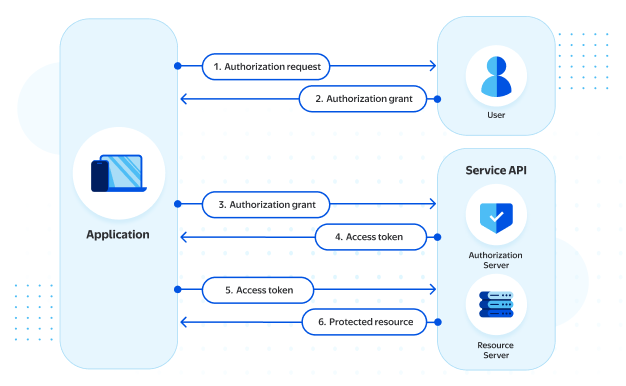
An access token is a temporary digital key that allows an application to make API requests after it has been authenticated.
Application Programming Interface (API)
An API is a set of code-based instructions that enable different software components to communicate and share data.
API key
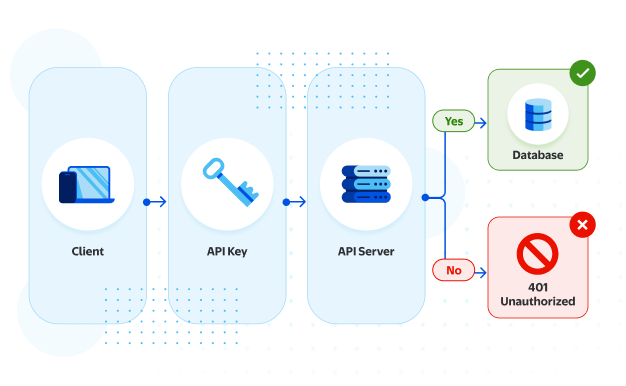
An API key is a unique identifier used to authenticate and authorize API access. An API key is passed along with each API request to identify the supplier or approved Solution Provider and verify that it has the permissions needed to interact with the relevant endpoint.
API call
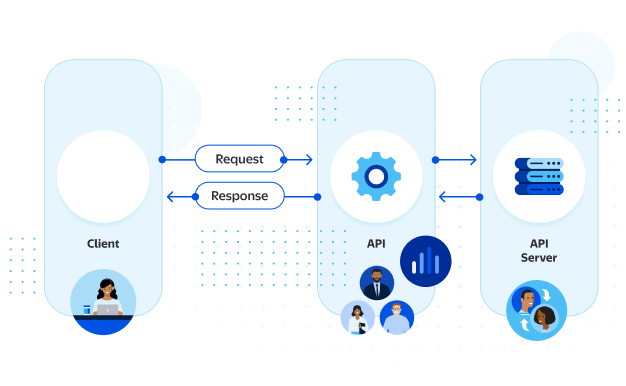
An API call is a request sent from a supplier or approved Solution Provider application to an API to retrieve or send data. It includes the endpoint URL, HTTP method, and any required headers or data. The API processes the request and returns a response, such as a confirmation, an error message, or data.
Authentication
API authentication is the process of verifying the identity of the user making the request.
Client ID
A client ID is a public identifier that tells Walmart which application is making the API request.
Client secret
A client secret is a private key used with the client ID to securely authenticate an application.
cURL
cURL is a command-line tool that facilitates the transfer of data to or from a server using various protocols. It can be used in a terminal or from within a script. cURL is commonly used to test APIs and run API requests from the command line.
DELETE
DELETE is an HTTP method used to remove a resource from a server.
Drop-ship vendor
A drop-ship vendor (DSV) is a supplier who sells under Walmart's name but stores their goods in their own warehouses and ships them directly to customers.
Endpoint
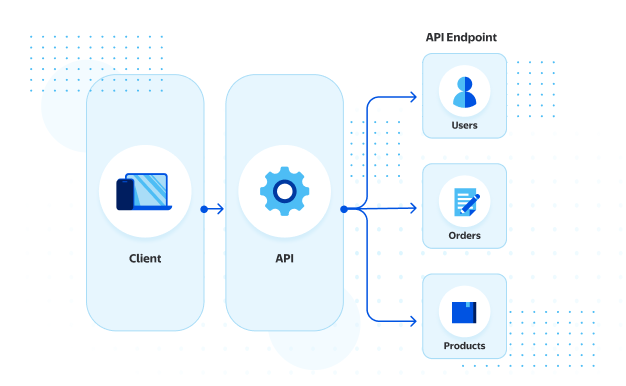
An endpoint is a specific web address, or URL, used to send or receive data through an API. Endpoints are used to retrieve, create, update, or delete data on a server.
Error code
An error code is a message returned by an API that explains why a request failed or how to correct it.
Feeds
A feed is a way to upload large amounts of data (such as product listings, inventory updates, or price updates) at once, instead of one at a time.
Fulfillment
Fulfillment is the process of picking, packing, and shipping a customer’s order.
GET
GET is an HTTP method used to retrieve data from a server.
Global Trade Item Number
A Global Trade Item Number (GTIN) is a 14-digit number used to uniquely identify a product.
Headers
API headers contain the metadata that is sent with the API request or response.
Inventory
Inventory is the available quantity of a product that a supplier has in stock.
Item
An item is a product sold through Walmart, including its details such as title, description, images, and category.
JSON
JSON stands for JavaScript Object Notation and is a lightweight, text-based data format that is easy for humans and machines to read and write. JSON is based on the JavaScript programming language syntax.
Notifications
Notifications are automated alerts sent when certain events happen, such as a new order being placed.
OAuth 2.0
OAuth 2.0 is a security standard used to verify identity and safely grant access to Walmart’s APIs.
On-hand inventory
The amount of a product a drop-ship vendor has on hand, ready for fulfillment.
OpenAPI
OpenAPI (previously known as Swagger) is the most widely used specification format for describing and documenting API endpoints, parameters, responses, and methods.
Parameters
Parameters are the variables that are passed to an API endpoint which provide specific information or instructions for the API to process.
Payload
Payload refers to the data that is sent in an API request or received in a response.
POST
POST is an HTTP method used to create a new resource.
Production environment
The production environment is the live system where real orders, products, and customers exist.
PUT
PUT is an HTTP method used to replace an existing resource with an updated version.
Rate limits
Rate limits are rules that control how many API requests can be made in a certain amount of time.
Request
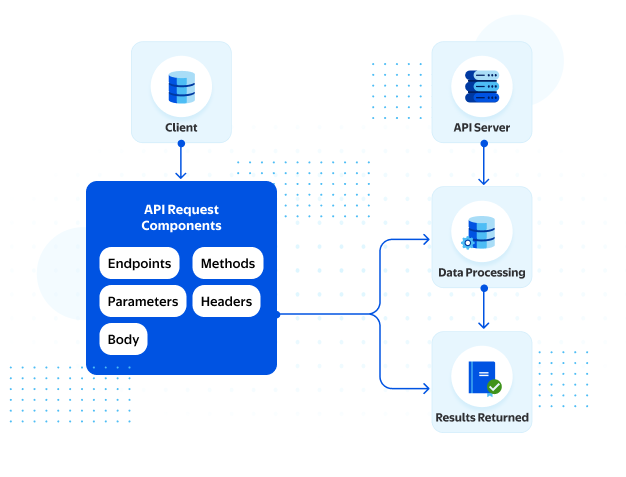
An API request, also known as an API call, is a message that an API client sends to an API server to retrieve or manipulate data. API requests typically include these components:
- Endpoint: The URL that identifies the API resource being accessed.
- Method: The HTTP action to perform, such as GET, POST, PUT, or DELETE.
- Parameters: Additional values that provide instructions or filter the request.
- Headers: Metadata sent with the request, such as authentication credentials or content type.
- Body: The data sent with the request, typically used when creating or updating resources.
Representational State Transfer (REST)
REST is an architectural style for building web services and APIs that uses standard HTTP methods to operate on resources identified by Uniform Resource Identifiers (URIs).
Sandbox environment
A sandbox environment is a test version of the system where suppliers or approved Solution Providers can safely try API integrations without affecting live data.
Ship node
Specifies the distribution facility from which an item is fulfilled. Also known as a fulfillment center.
Solution Provider
A Solution Provider is a third-party company, approved by Walmart, to build or manage Walmart integrations for suppliers.
Status codes
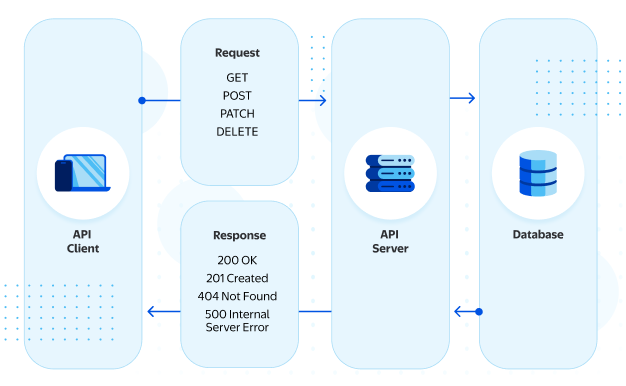
HTTP status codes are returned by an API to indicate the status of a client's request. These are some common API status codes:
- 200 OK: The request was successful, and the server returned the requested data.
- 201 Created: The request was successful, and the server created a new resource.
- 204 No Content: The request was successful, but the server did not return any data.
- 400 Bad Request: The request was malformed or invalid.
- 401 Unauthorized: The client is not authorized to access the requested resource.
- 403 Forbidden: The client is authenticated but not authorized to access the requested resource.
- 404 Not Found: The requested resource was not found on the server.
- 500 Internal Server Error: The server encountered an error while processing the request.
Stock Keeping Unit
A Stock Keeping Unit (SKU) is a unique alphanumeric identifier for a product assigned by a drop-ship vendor.
Testing
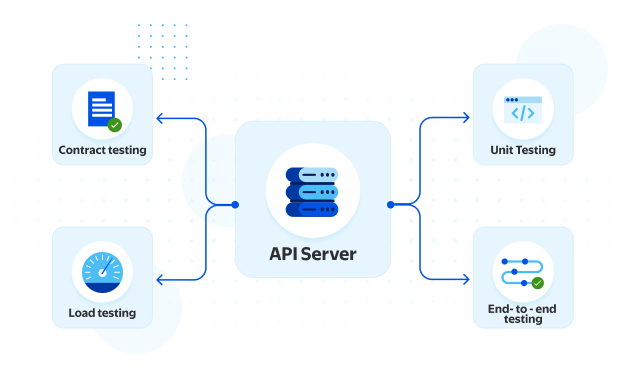
API testing is the process of validating that an API is working as expected. API testing can be performed manually, or it can be automated with a testing tool that executes test scripts at predetermined intervals or in response to events.
Walmart Developer Portal
The Walmart Developer Portal is the website where suppliers and approved Solution Providers find API documentation, set up credentials, and manage integrations.
Webhooks
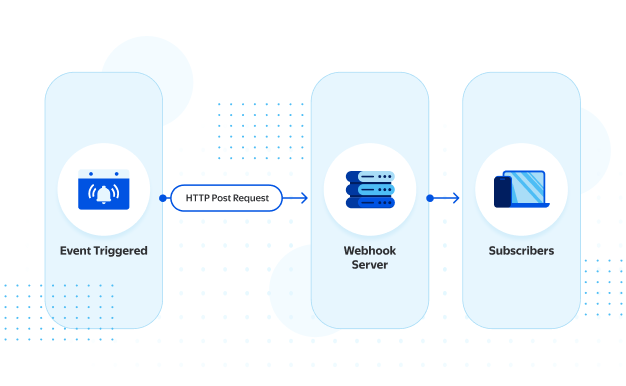
Webhooks send automatic, real-time notifications to another system when a specific event happens. Instead of repeatedly checking for updates, the system sends an HTTP request to a set URL as soon as the event occurs, making it a faster and more efficient way to stay updated.
Updated 5 months ago